ISU Partners with Sripatum University to Cultivate Global Communication Professionals in AI-Generated Imagery, Cross-Cultural Narratives, and Digital Content
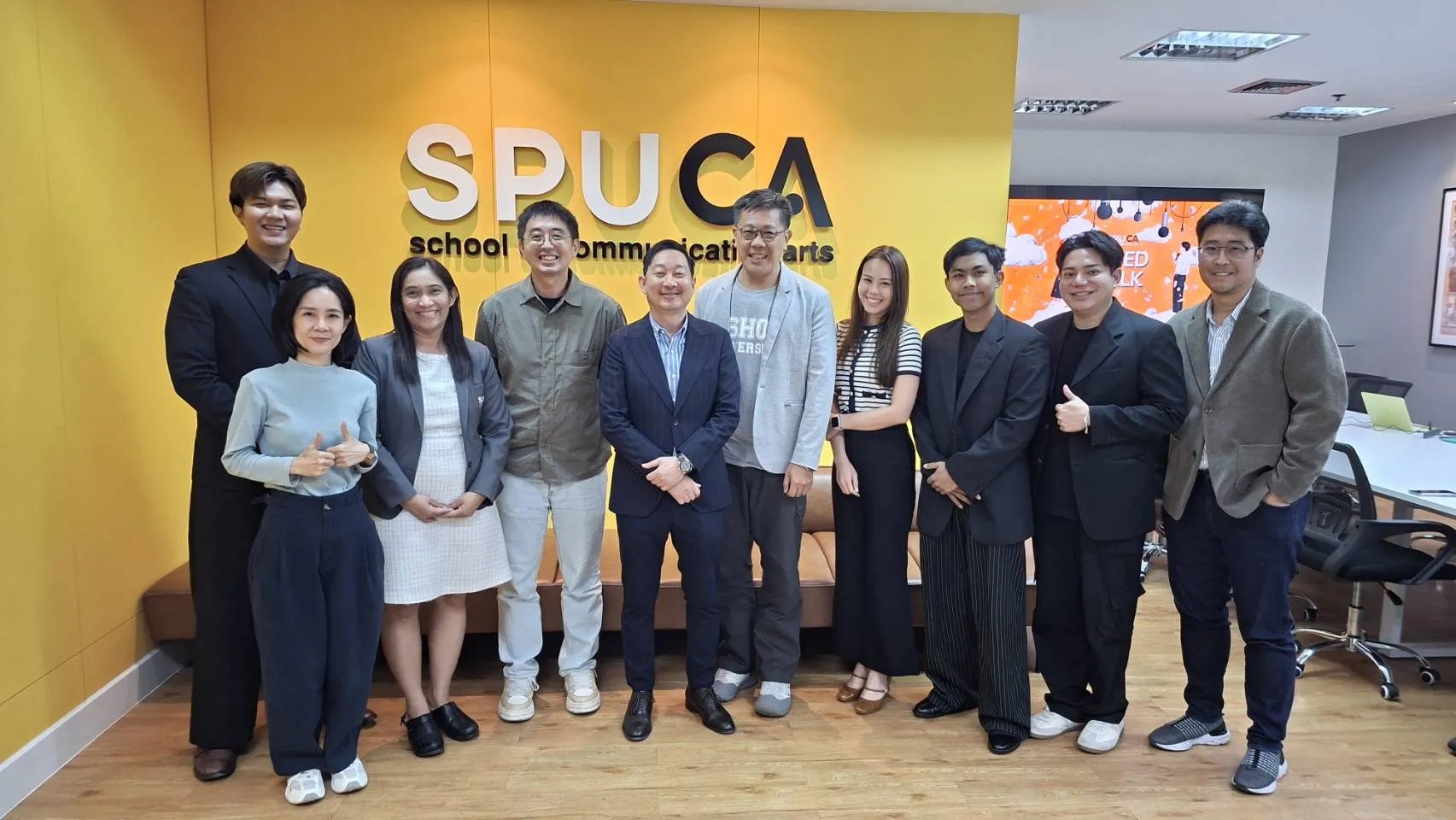
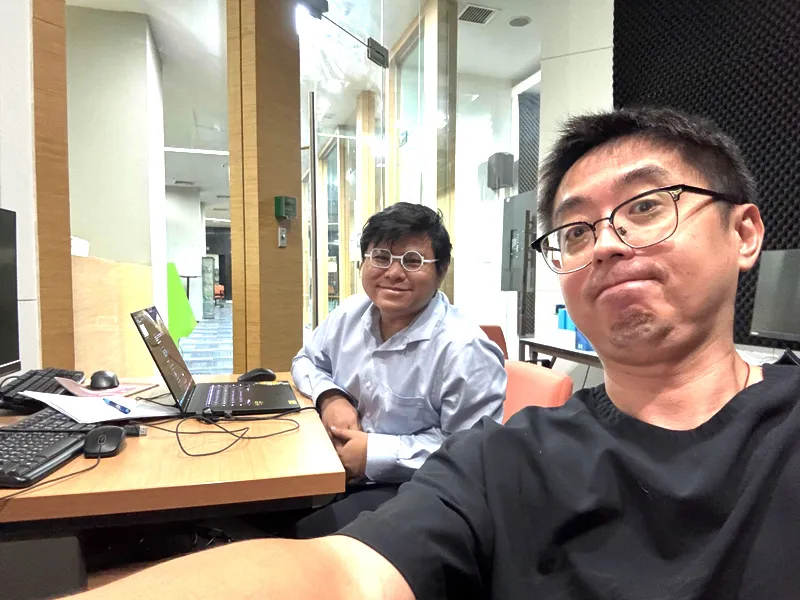
As artificial intelligence (AI) rapidly reshapes the media and digital content industries, higher education is also evolving toward more international, interdisciplinary, and technology-integrated approaches to talent development. As part of its ongoing efforts to expand its academic collaboration network in Southeast Asia, ISU sent Associate Professor Chia-Kun Lee, Chair of the Department of Mass Communication, and Assistant Professor Chia-Wei Chen of the Department of Film and Television to Sripatum University (SPU) in Thailand for a 15-day faculty research exchange from July 20 to August 3, 2026. Both institutions focused on topics such as AI-generated imagery, cross-cultural narratives, cross-linguistic research, and joint academic publications. Through research exchanges and teaching observations, the two sides deepened their collaboration and established a framework for a long-term partnership, creating new opportunities for communication and digital media research between Taiwan and Thailand.
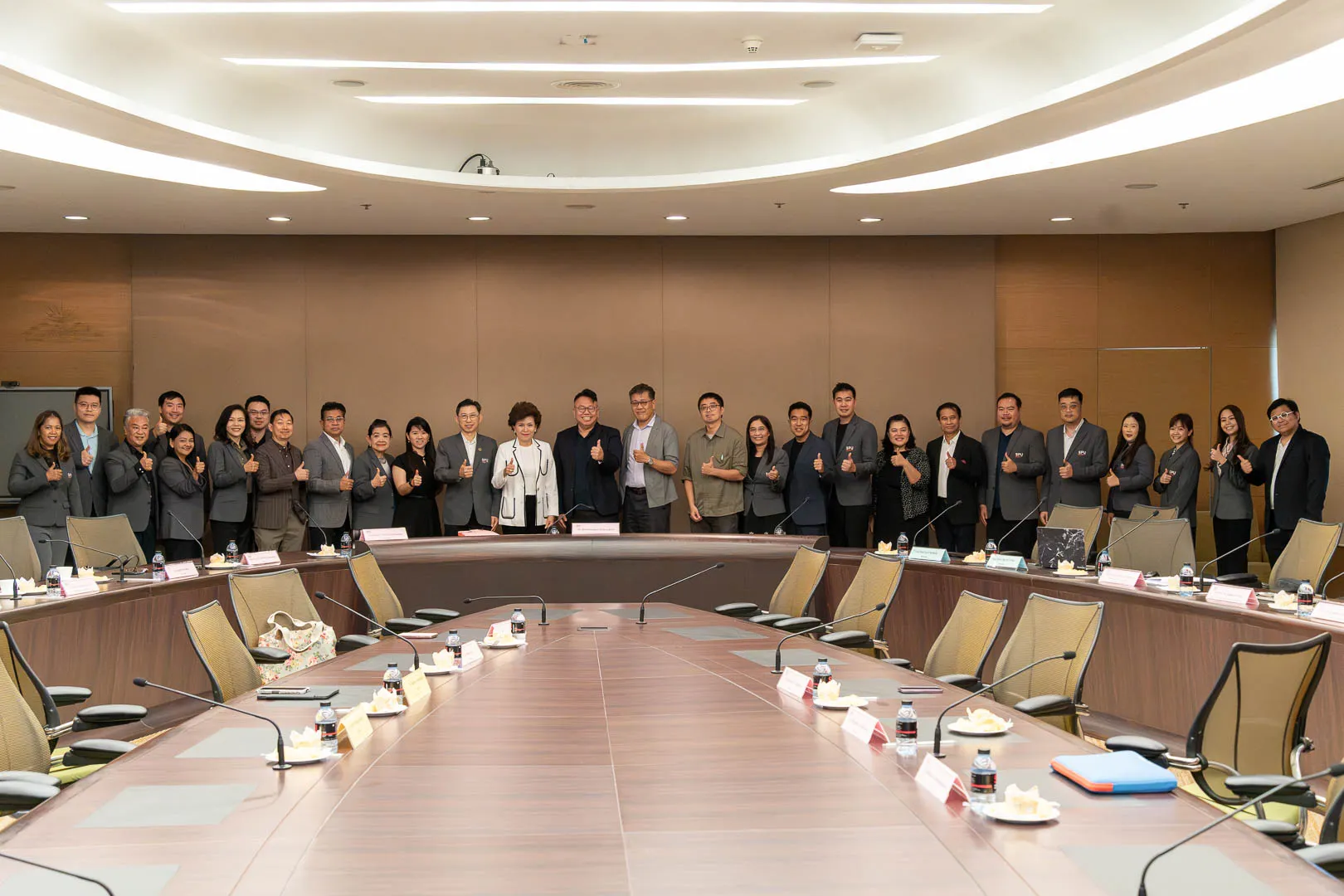
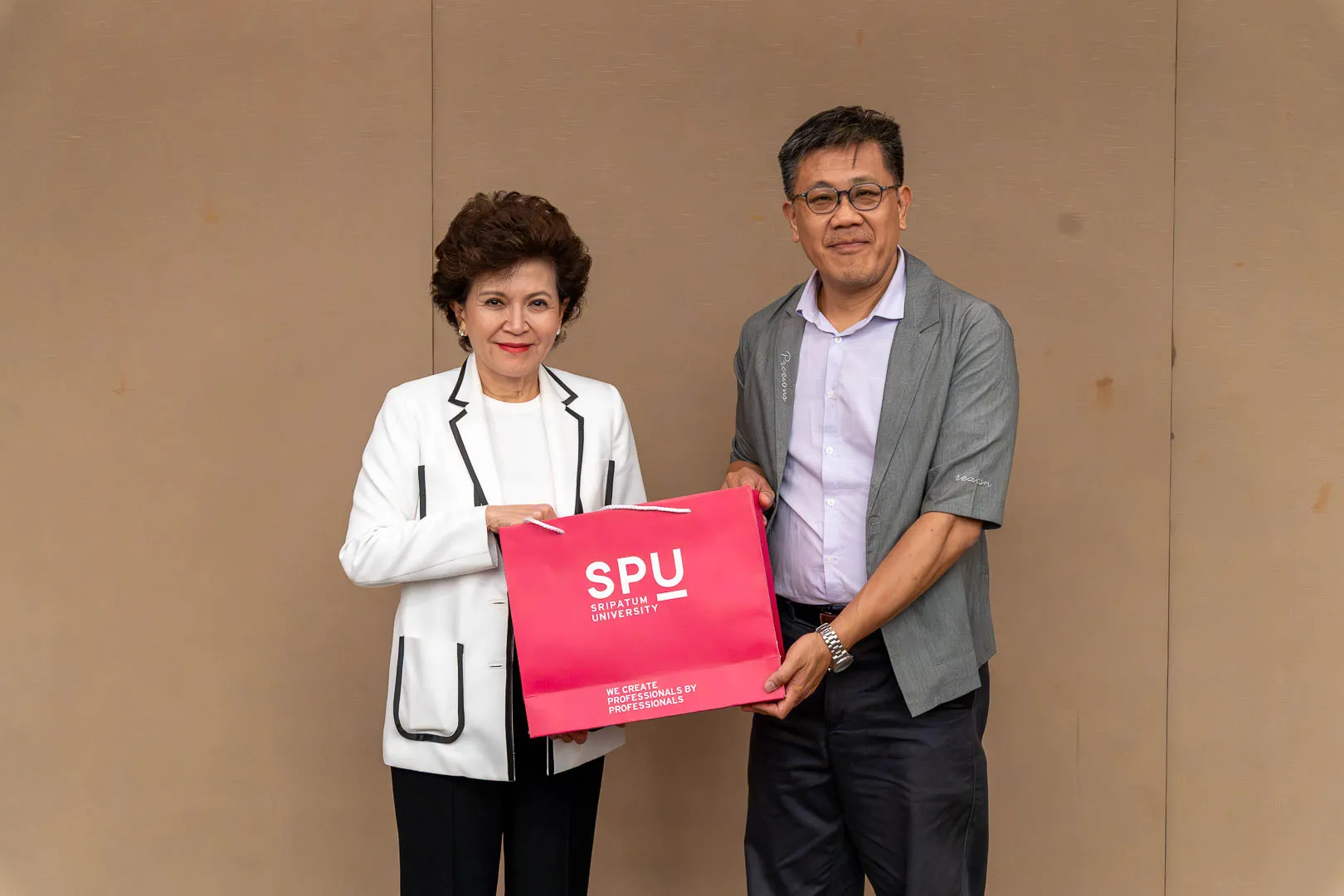
This exchange followed SPU’s delegation visit to ISU this April. After the two universities agreed to collaborate, SPU formally invited ISU faculty members to conduct research on its campus in Thailand. During the exchange, SPU President Dr. Rutchaneeporn Pookayaporn Phukkamarn personally attended the welcome event for the visiting faculty members and brought together representatives from the School of Digital Media and the School of Communication Arts. Through research seminars, teaching observations, campus visits, and administrative exchanges, the ISU delegation gained valuable insights into SPU’s experience and practices in areas such as digital content creation, video production, communication education, and international research administration. These exchanges also laid a solid foundation for future collaboration between the two universities in joint research, curriculum development, and faculty and student exchanges.
This exchange not only involved academic visits but also further promoted cross-regional and interdisciplinary research collaboration. Drawing on their respective expertise in communication studies and visual arts, Professor Lee and Professor Chen have leveraged research resources from both universities to explore topics such as AI-generated imagery, cross-cultural narratives, and communication effects, establishing a framework for transnational comparative research between Taiwan and Thailand. Through the exchange of research perspectives and cultural insights between Taiwan and Thailand, the two sides have further prepared for cross-linguistic research and established a collaborative framework for a joint academic publication. Moving forward, they will continue to collect cross-national research data from Taiwan and Thailand and develop research outcomes that integrate cross-cultural comparison with interdisciplinary perspectives. This collaboration will help advance international partnership from academic exchange and interaction toward concrete research outcomes.
In addition to research collaboration, the two universities also shared experiences in communication education, digital content development, and industry-university collaboration through teaching observations and professional exchanges. In recent years, ISU has actively promoted integrating AI into communication and design education. Leveraging Kaohsiung’s strengths in the film, television, popular culture, and digital content industries, ISU has strengthened students’ cross-media practical skills and industry connections. Meanwhile, SPU has shared its teaching experience in areas such as digital media creation, video production, and creative performance. Through the exchange of curriculum design and practical experience, the two sides have learned from each other’s approaches to talent development in different educational and industry contexts, opening up new possibilities for future collaboration in joint research, curriculum development, and faculty and student exchanges.
Professor Lee noted that this exchange not only broadened perspectives on international research but also provided valuable insights for ISU’s future efforts in cross-cultural content creation, international curriculum collaboration, and cultivating communication talent. Through in-depth exchanges with academic partners in Thailand, ISU can further explore the future direction of communication education in the AI era, helping students not only develop proficiency in technological tools but also cultivate cross-cultural understanding and creative thinking skills.
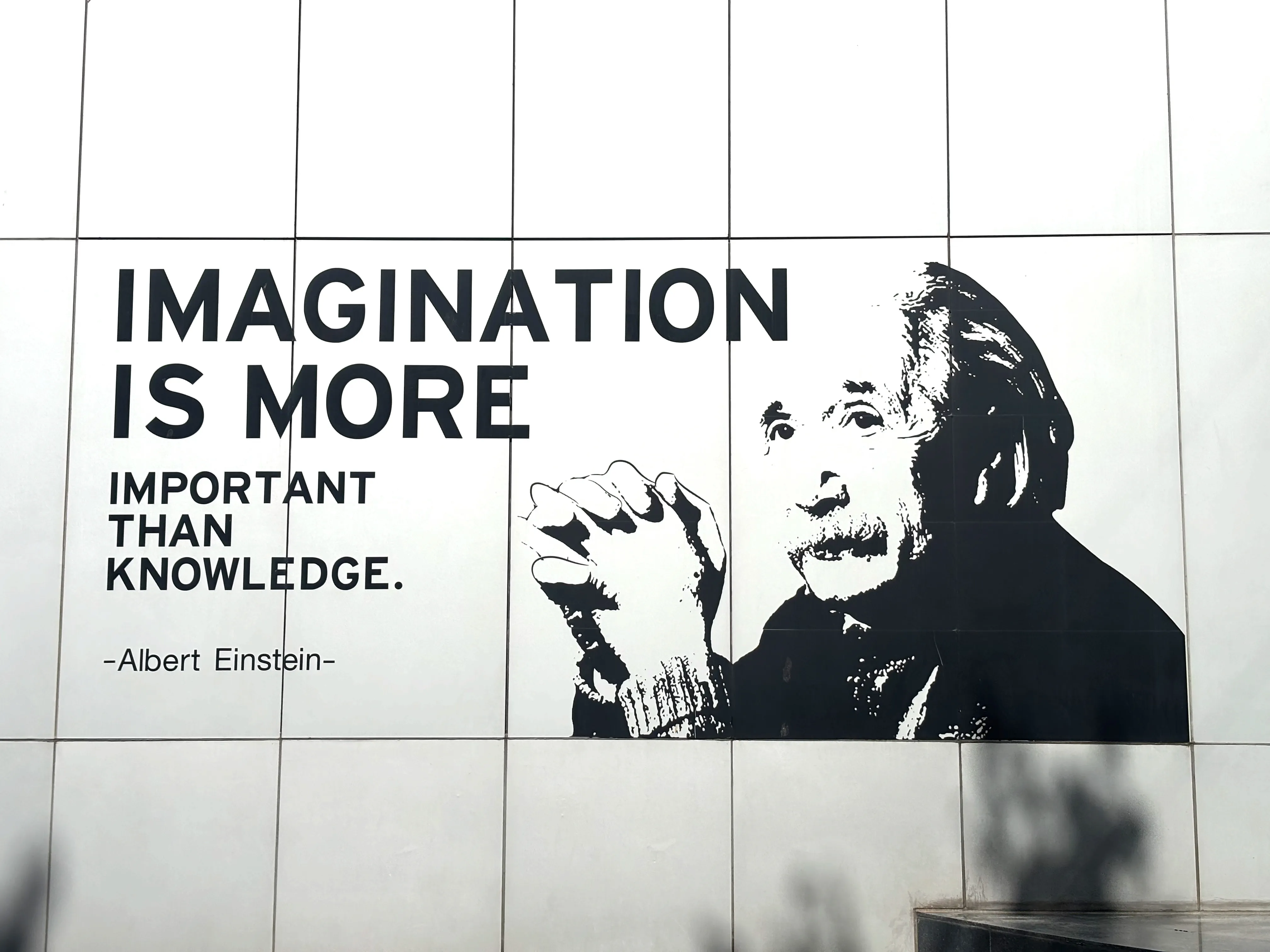
According to Professor Chen, one of the most memorable moments of this exchange was encountering a quote by Albert Einstein displayed on the SPU campus: “Imagination is more important than knowledge.” He believed that knowledge and equipment are essential foundations of education, but that the key to driving innovative research and international collaboration lies in researchers’ abilities to transcend cultural, linguistic, and disciplinary boundaries while maintaining their imagination and spirit of exploration when faced with unfamiliar challenges.
Notably, Assistant Professor Manin Charoenlarp, Dean of the School of Communication Arts, shared the School’s philosophy on talent development. Through structured teaching, students are guided to first establish their creative goals, artistic styles, and narrative approaches, even amid the rapid development of generative AI. They are encouraged to use AI tools to enhance their creative efficiency, positioning AI as an extension of their professional capabilities rather than a replacement for creative thinking. This philosophy aligns closely with ISU’s talent development direction, “AI-Empowered Professionals,” while also laying a new foundation for future collaboration between the two universities in AI and communication education.
In addition to faculty research and teaching experience exchanges, the two sides also discussed opportunities for student exchange and mobility. ISU will provide SPU with information on the Taiwan Scholarship and the Taiwan Experience Education Program (TEEP) and encourage SPU students to study and participate in exchange programs in Taiwan. This initiative aims to promote two-way talent mobility and international learning opportunities, extending faculty research collaboration to student learning and talent development. Looking ahead, ISU will continue to deepen its collaboration with higher education partners in Southeast Asia in response to the rapid transformation of the global media and digital content industries in the AI era. With a focus on faculty research, student learning, and cross-cultural content creation, ISU aims to promote joint academic publications, curriculum collaboration, two-way exchanges, and talent development.
The goal is to advance Taiwan-Thailand cooperation from individual exchanges to a long-term, stable international academic partnership. Together, ISU and SPU will cultivate a new generation of communication professionals equipped with AI application skills, cross-cultural communication abilities, and global competitiveness.