ISU Wins Six Awards at the 8th Green Idea Invention and Design Fair for AI-Powered Smart Healthcare and Drone Technologies, Showcasing Interdisciplinary R&D Excellence
Artificial intelligence (AI) is rapidly driving innovation across the healthcare and technology sectors while accelerating the demand for interdisciplinary technology professionals. Faculty and students from ISU’s College of Intelligent Science and Technology participated in the 8th Green Idea Invention and Design Fair, jointly organized by the International Institute of Knowledge Innovation and Invention and Cheng Shiu University. Competing against outstanding teams from Taiwan and around the world, they earned recognition for their innovative technologies in areas such as AI-powered smart healthcare, drones, and smart sensors. Their entries won six awards in total, including one Titanium Medal, one Gold Medal, three Silver Medals, and one Bronze Medal, highlighting ISU’s strength in interdisciplinary integration, industry-university collaboration, and innovative research and development. All award-winning entries were the result of interdisciplinary collaboration between faculty and students from the Department of Electrical Engineering and the Department of Computer Science and Information Engineering. The research topics covered a wide range of fields, including smart healthcare, disaster search and rescue, pediatric vision screening, chronic kidney disease diagnosis, and green AI. Many of these research projects were developed in collaboration with medical institutions, addressing real-world healthcare and social issues based on clinical needs and leveraging AI technologies. These awards highlighted ISU’s distinctive approach to talent cultivation, integrating academic learning with practical applications and interdisciplinary innovation.
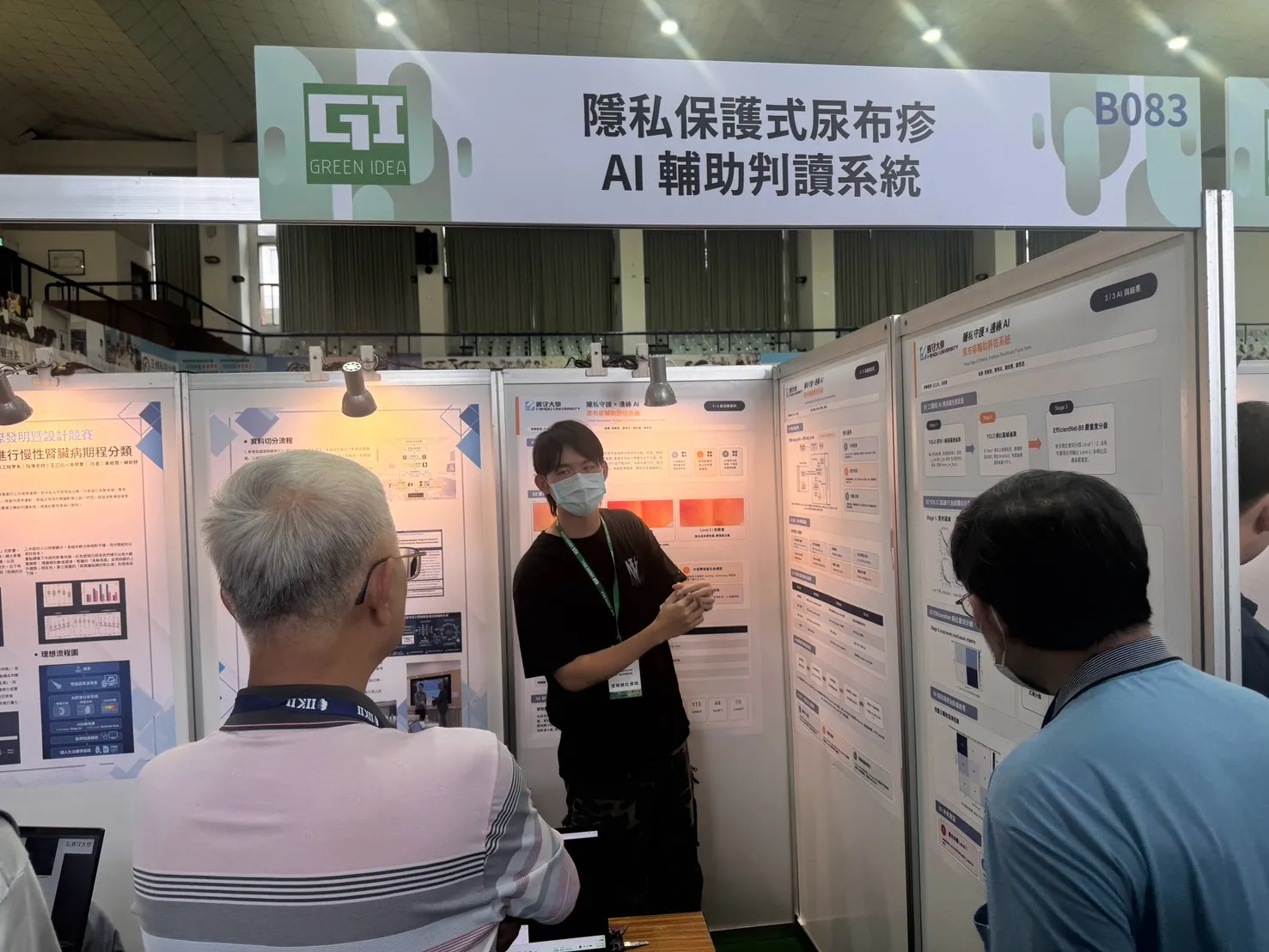
The competition’s highest honor, the Titanium Medal, was awarded to the entry titled Privacy-Preserving AI-Assisted Diagnosis for Diaper Rash. Jointly supervised by Associate Professor San-Yuan Wang of the Department of Computer Science and Information Engineering and Professor Rong-Ching Wu of the Department of Electrical Engineering, the system uses edge computing and AI-powered image recognition to analyze images directly on the device, balancing patient privacy with diagnostic efficiency. According to Associate Professor Wang, first-time parents and primary care nurses often struggle to assess the severity of diaper rash. To address this challenge, the team developed an AI-powered diagnosis system. This system can quickly assess and categorize the condition while providing care recommendations and reminders to seek medical consultation, serving as a crucial support tool for parents and caregivers. Chen-Min Chang, a student from the Department of Computer Science and Information Engineering who was involved in developing the system, said that every stage of the project, from data collection and AI model training to system integration, presented its own challenges. Winning the Titanium Medal further strengthened his team’s confidence and motivated them to continue their research in smart healthcare. The gold medal-winning Smart Thermal Imaging Drone System integrates technologies such as thermal imaging recognition, autonomous flight, intelligent obstacle avoidance, and wireless communication. The system can be deployed to locate trapped individuals at disaster sites, significantly improving search-and-rescue efficiency. Assistant Professor Ching-Min Lee of the Department of Electrical Engineering, who supervised the project, said he hopes AI-powered autonomous flight and non-contact thermal imaging can reduce the risks rescue personnel face when entering high-risk areas, making smart drones essential partners in disaster relief.
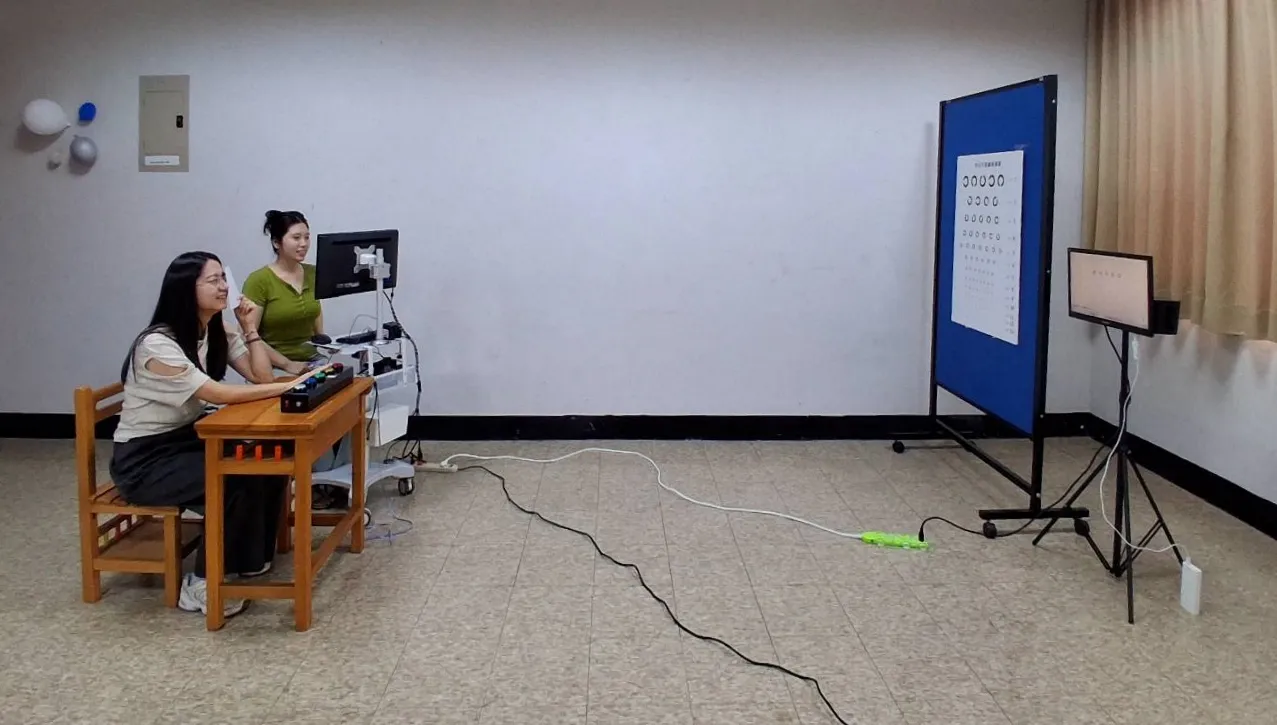
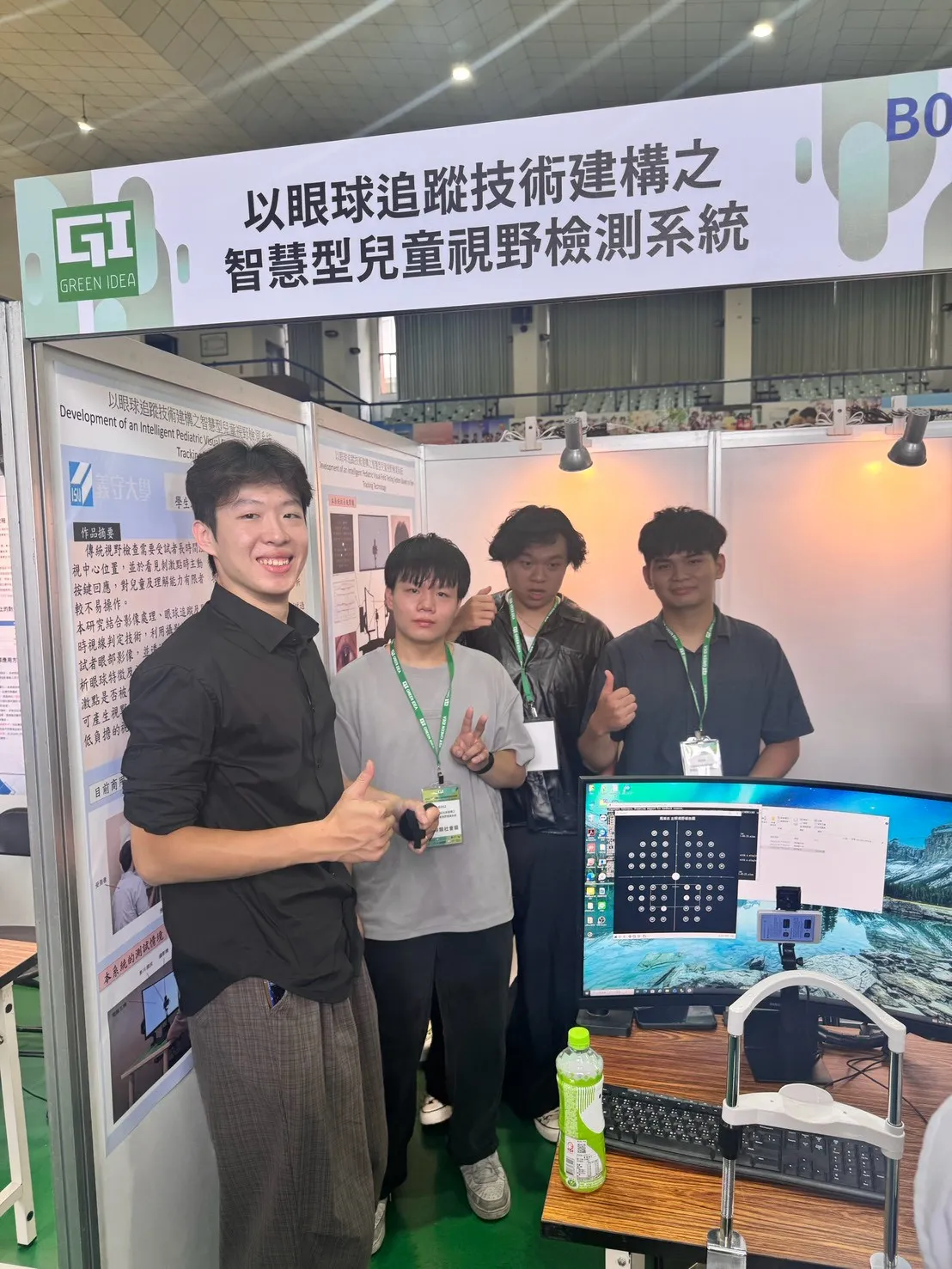
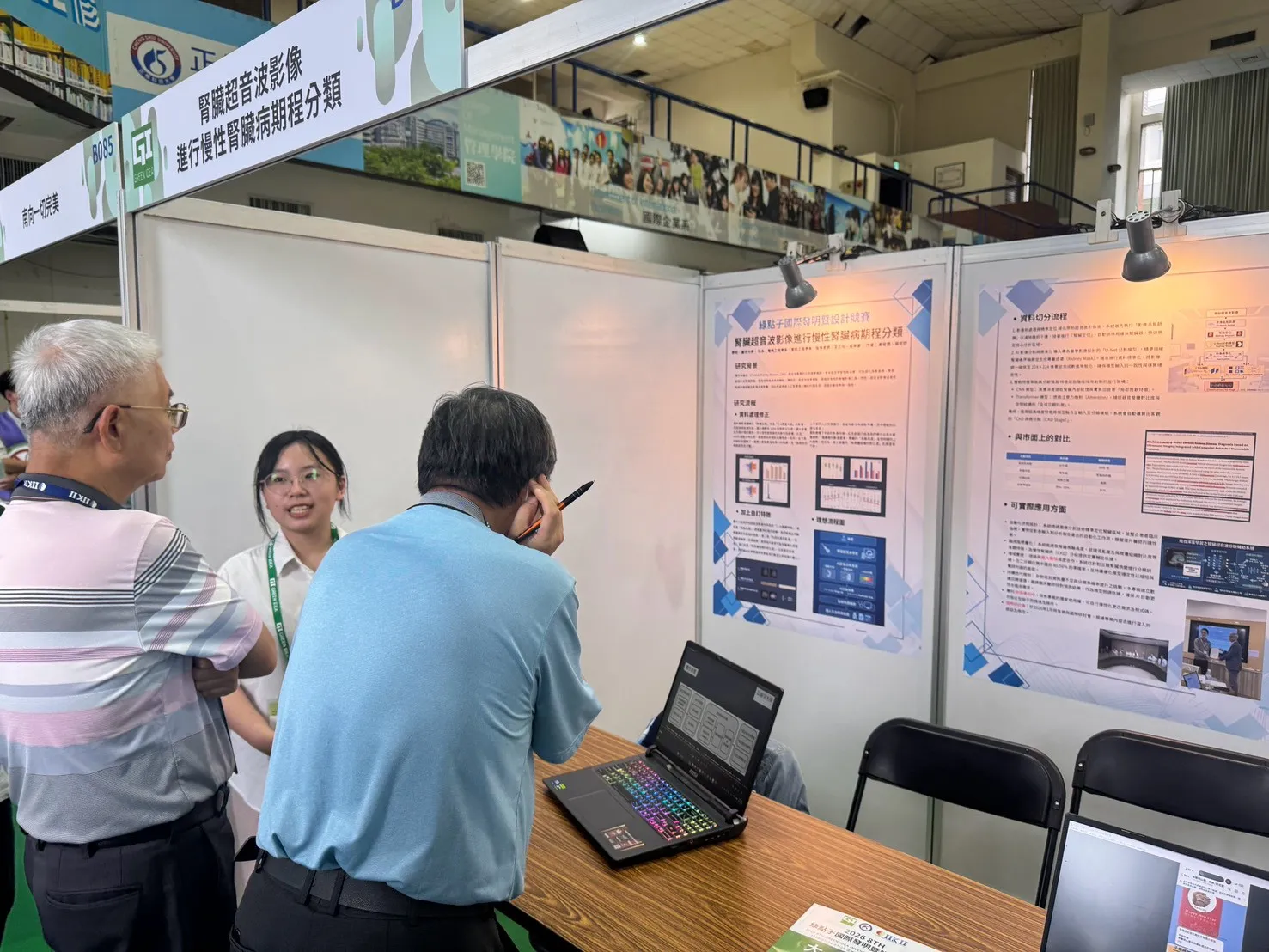
In addition, three other entries received Silver Medals, highlighting the diverse applications of AI in smart healthcare developed by ISU faculty and students. Among these, the entry titled Pediatric Vision Screening Device integrates traditional vision tests into an interactive game design, combined with infrared sensing and light-based feedback mechanisms to boost children’s engagement and improve vision-screening accuracy. The Smart Pediatric Visual Field Screening System combines eye-tracking technology with AI-powered image recognition to help detect visual field abnormalities in children at an early stage. In addition, the Renal Ultrasound Image Classification System, developed in collaboration with E-Da Hospital, uses AI to analyze ultrasound images and assist with staging chronic kidney disease, reducing the need for invasive examinations while improving medical efficiency and the quality of patient care.
The bronze medal-winning AI-Assisted Diagnosis System for Phlebitis incorporates low-power, on-device AI technology, enabling nurses to identify signs of phlebitis quickly. This system demonstrates the potential of sustainable AI applications by balancing medical quality, patient privacy, and energy efficiency while reducing carbon emissions.
According to Professor Wu, all of the award-winning projects integrate expertise in electrical engineering, information engineering, and medicine. The teams also worked closely with medical institutions, including E-Da Hospital, Kaohsiung Medical University Chung-Ho Memorial Hospital, and Kaohsiung Municipal Gangshan Hospital. Building on clinical needs, they developed smart healthcare technologies with strong practical value through interdisciplinary collaboration. Associate Professor Wang pointed out that ISU has long provided students with comprehensive research resources and a hands-on learning environment through the USR Program, beyond-the-classroom interdisciplinary research projects, and industry-oriented research initiatives. Students are encouraged to engage in research in specialized fields from their freshman year, cultivating skills in AI applications, system integration, engineering design, and interdisciplinary collaboration while turning innovative ideas into practical technological solutions. Assistant Professor Lee stated that the competition results not only recognized the students’ technical expertise and innovative capabilities but also highlighted the fruitful outcomes of ISU’s long-standing commitment to AI education, interdisciplinary teaching, and applied research and development.
Looking ahead, ISU will continue advancing forward-looking technologies in areas such as AI, smart healthcare, smart manufacturing, drones, and smart sensors. It will strengthen collaboration with medical institutions and industry partners to promote interdisciplinary cooperation and cultivate technology professionals with innovative thinking, practical skills, and international competitiveness. By applying research outcomes to clinical care, public safety, and smart living, ISU will continue contributing new momentum to Taiwan’s technological innovation and smart healthcare development.