From Kopi Sugar Reduction to Nutrition Board Games: ISU Students Deliver Health Education in Malaysia
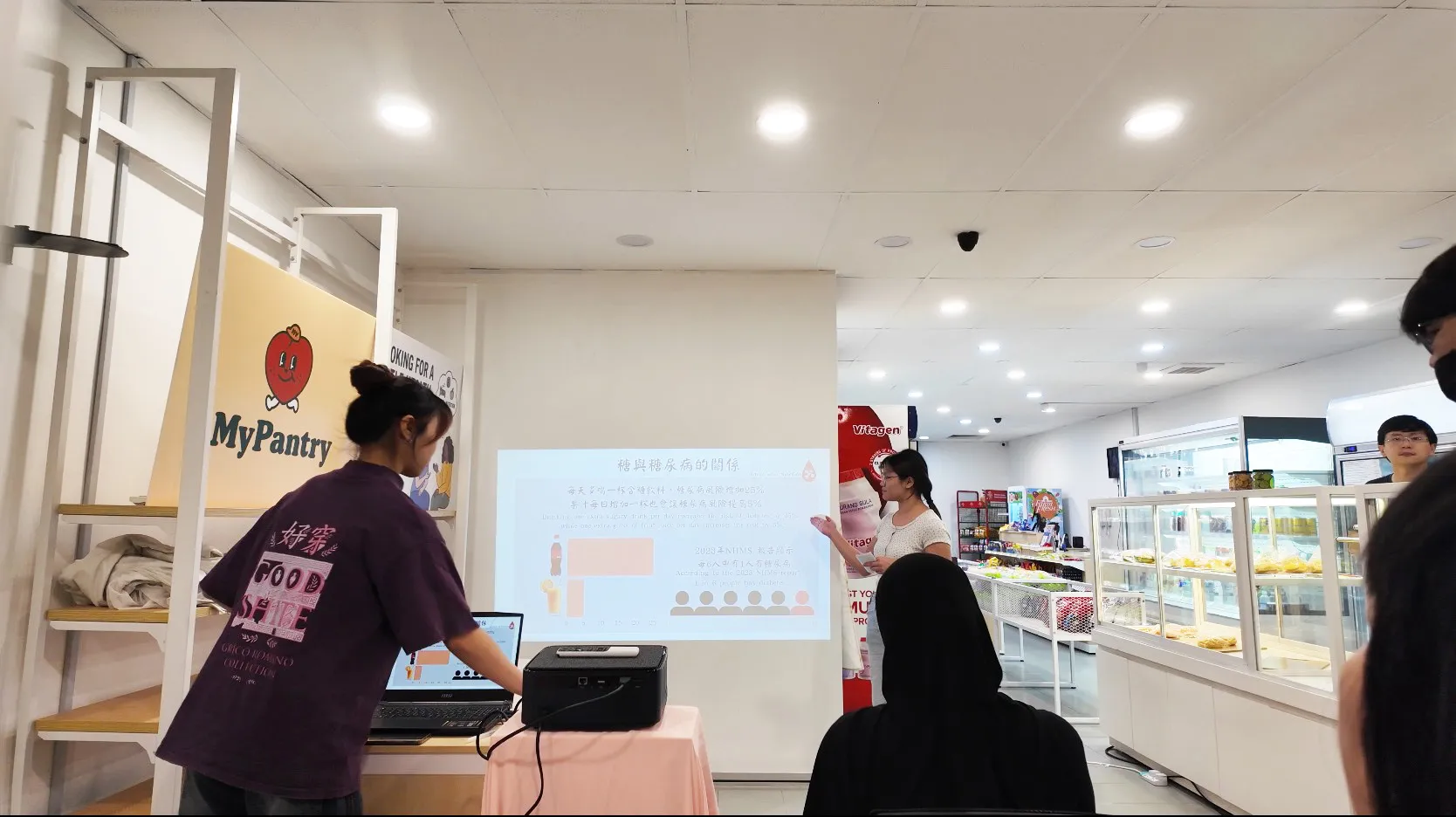
Just how much sugar is in a typical cup of Malaysian Kopi? When faced with this seemingly simple yet vital everyday health question, students from ISU’s Department of Nutrition didn’t just stick to textbooks. Instead, using concrete data, bilingual explanations, and interactive health education, they helped local communities understand the critical link between sugary beverages and personal wellness. This impactful initiative was just one of many highlights from their recent five-week overseas internship in Malaysia. Moving from lecture halls into industries, clinics, and front-line communities, the students came to appreciate the true essence of their profession: nutrition is not merely about understanding the science, but about making it accessible, relatable, and actionable for others.
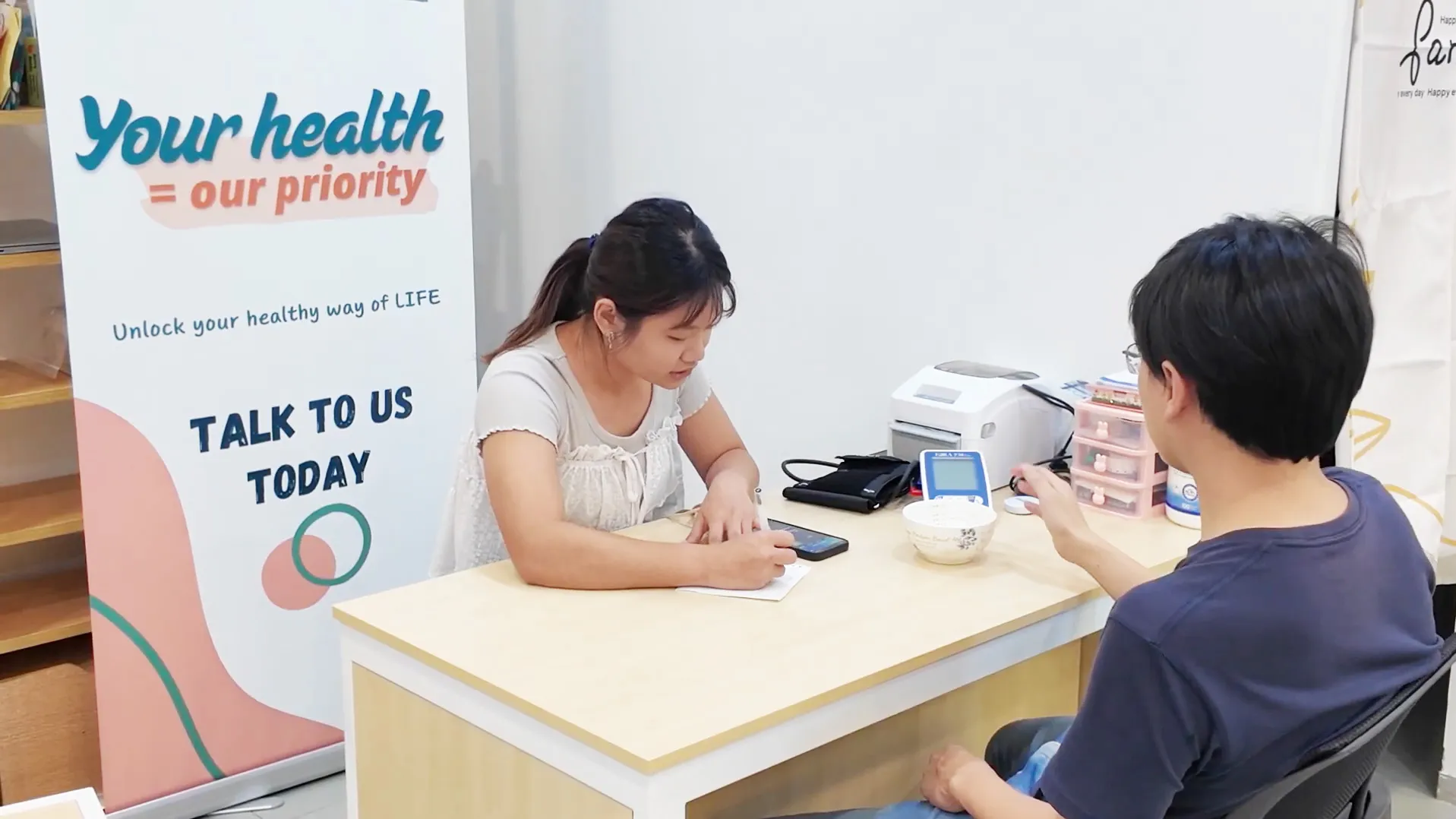
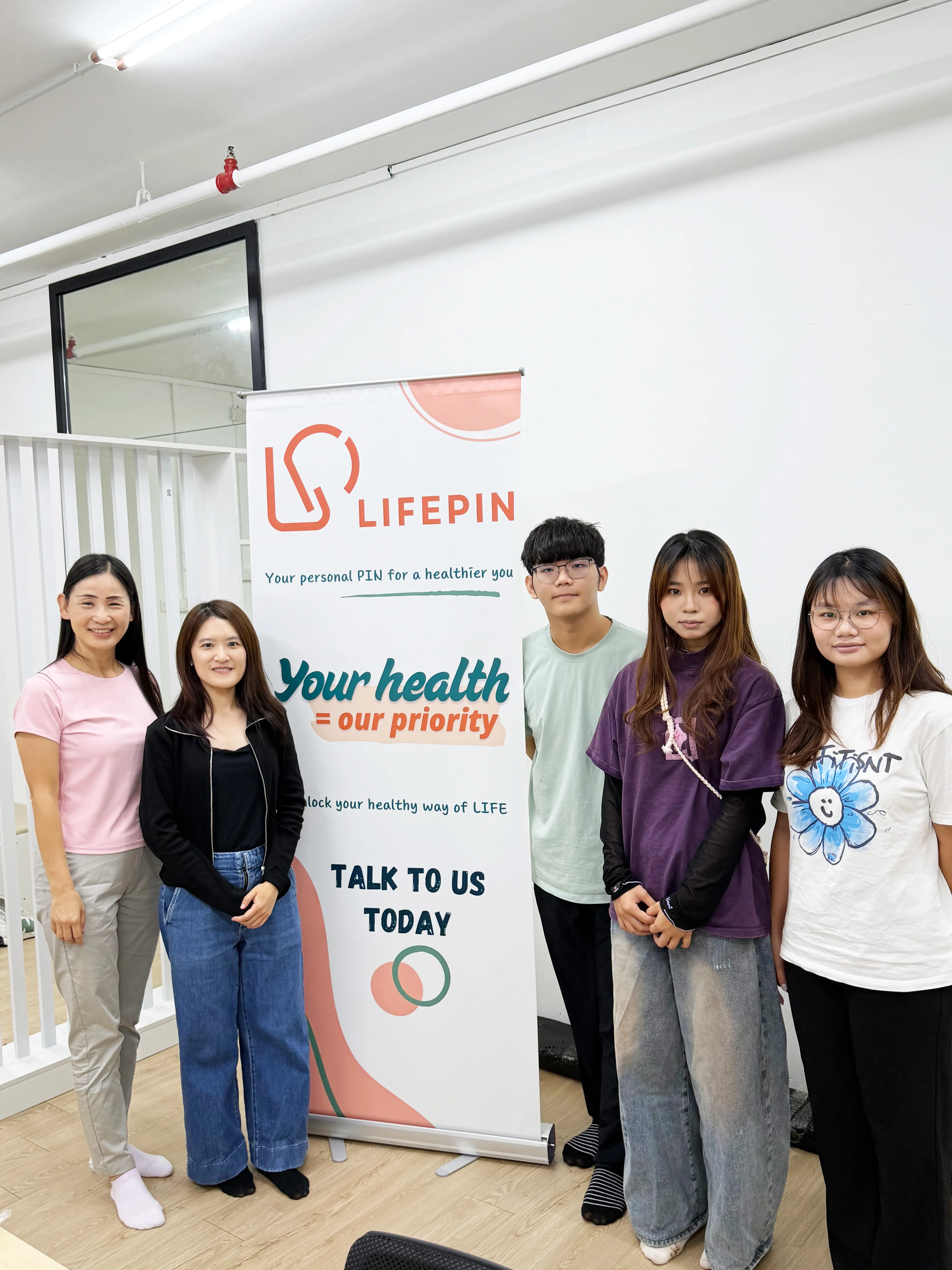
Supported by grants from the Ministry of Education, the Department led sophomore students to Kuala Lumpur, Malaysia, for a hands-on internship at LIFEPIN SDN. BHD. During the internship, students actively engaged in nutritional consultations, health promotion, community health education, clinical observation, and food industry site visits. This immersive experience allowed them to apply and validate foundational nutritional theories within a distinct cultural setting and real-world everyday contexts.
Malaysia features a rich tapestry of ethnic diversity, languages, and culinary cultures. Through this internship, students quickly discovered that real-world practice rarely offers the standardized answers found in textbooks. Beyond communicating in both Mandarin and English, they learned to adapt their educational approaches to different audiences’ cultural backgrounds and dietary habits. By translating complex technical jargon into accessible, relatable everyday language, they ensured the community genuinely understood and embraced vital health information.
Hsiang-Ni Chen, a student from the Department, noted that this overseas experience helped her move beyond merely absorbing knowledge as a student, guiding her to translate nutritional expertise into accessible, everyday health guidance. Engaging with diverse cultures and real-world health education needs not only sharpened her active listening, communication, and adaptability, but also significantly broadened her global perspective. Another student, Fang-Chu Luo, shared that the internship exposed her to the diverse career paths available to dietitians and nutritionists. It also taught her to convey complex professional insights to the public in simple, digestible ways. She added that the experience led to notable growth in her professional application, communication skills, teamwork, and adaptability.
Beyond health education campaigns, students also integrated digital tools and creativity into practical nutritional care. To meet real-world operational demands, they used Excel to develop calorie- and portion-calculation tools, improving the efficiency of nutritional assessments. At the same time, they incorporated dietary management knowledge for conditions such as hypertension and kidney disease into local Malaysian food culture to design nutrition education board games, lowering the barrier to health literacy through gameplay and interactive engagement. Another student, Yu-Sheng Chang, stated that this internship in Malaysia truly bridged the gap between textbooks and society. In addition to developing Excel tools, analyzing beverage sugar contents bilingually, and designing nutrition board games, he hoped to deliver wellness information in ways closely connected to people’s daily lives, emphasizing that translating professional knowledge into language the public can readily understand is the true essence of promoting health.
During the internship, students also visited the Tabib Seh Haw Traditional Chinese Medicine Clinic. There, they conducted integrated analyses of dietary records, questionnaire data, and lifestyle factors such as sleep and daily routines to identify potential nutritional gaps and propose actionable health recommendations. At Lifepin retail stores, students worked alongside registered dietitians to conduct nutritional consultations based on InBody body composition metrics and 24-hour dietary recalls. This hands-on experience deepened their understanding of how nutritional expertise seamlessly integrates into everyday health management, moving beyond simple dietary advice to comprehensive assessments of lifestyle and overall well-being.
The principal investigator and Department professor, Li-Chin Chen, said the core value of an overseas internship lies not merely in having students “go abroad,” but in encouraging them to step outside their comfort zones and enter unfamiliar environments to tackle real-world problems with no standard answers. She pointed out that through observation, communication, data collection, and methodological adjustments, students must independently devise ways to translate their specialized knowledge into content the public can readily understand, accept, and apply. This transformative journey enables students to bridge the gap from “knowledge acquisition” to “professional practice,” while fostering the agility and adaptability needed to navigate diverse cultures, varied needs, and evolving professional landscapes.
ISU highlighted that this overseas internship not only provided students with invaluable transnational practical experience, but also bridged nutritional expertise with international industries, healthcare settings, and local communities. In these authentic scenarios, students gained a renewed perspective on the role of nutrition professionals and progressively built workplace-ready competence through cross-cultural communication, teamwork, digital applications, and real-world problem-solving. Moving from analyzing the sugar content of a single cup of Kopi to conducting comprehensive dietary assessments, and from theoretical classroom concepts to actionable wellness habits embraced by the public, ISU nutrition students brought their expertise directly into diverse cultural contexts through meaningful interactions. By cultivating cross-cultural proficiency and hands-on international experience, they have built a strong foundation to become future nutrition leaders equipped with specialized expertise, communication skills, and a global vision.